Custom Candle Sampling: What We Need to Settle Before Production
See our Quality & Compliance page for factory photographs, candle sample observation and product-specific safety and transport documentation.
A sample is useful only when it answers production questions. A beautiful candle photographed on a desk is not yet an approved production standard: the fragrance, wick, label, box and transport packing still have to work together.
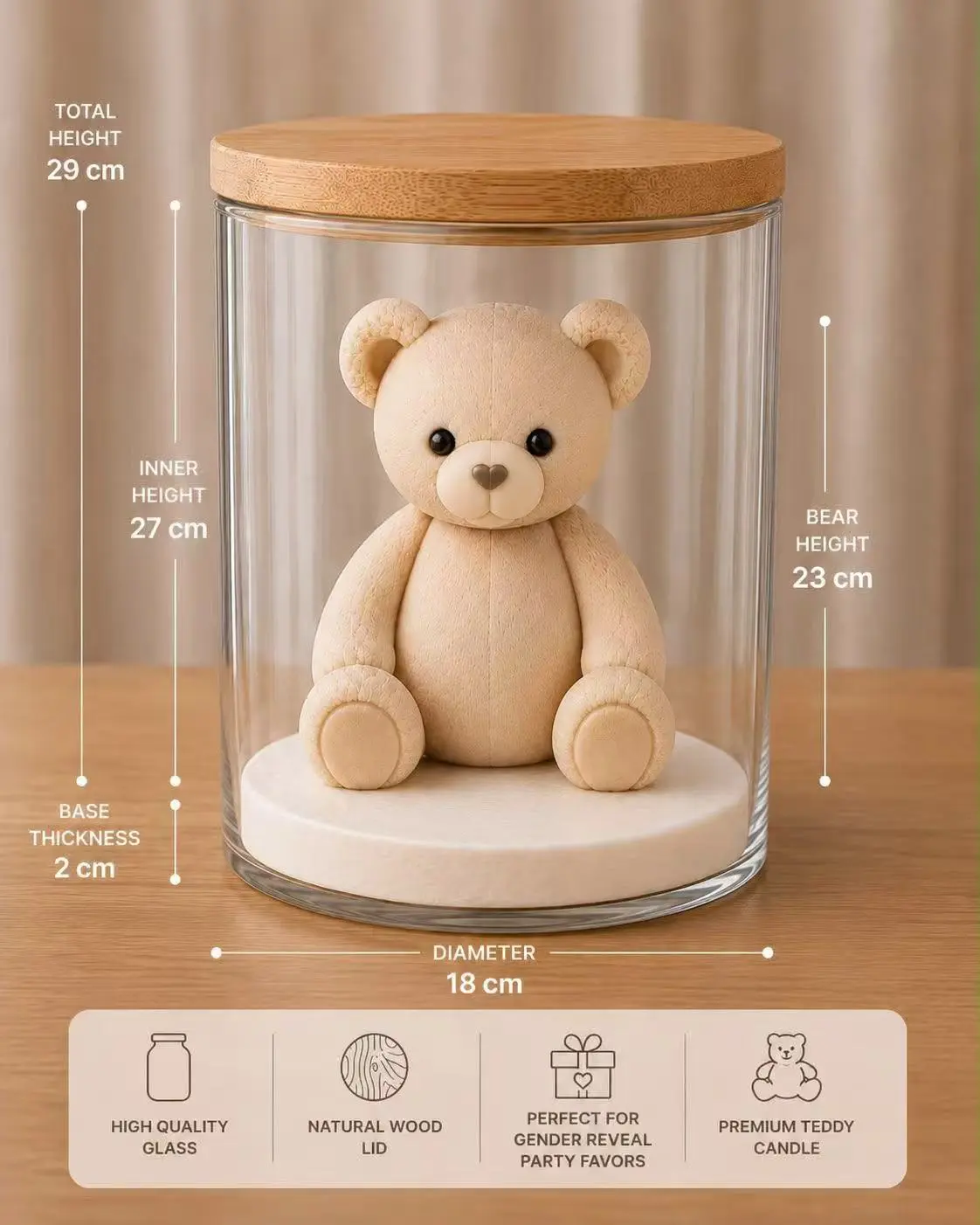
We normally see delays when the product brief changes during sampling. One version uses a stock jar, the next adds a new color, and the final review introduces a rigid box. Each change affects a different supplier and may reset the cost or schedule. It is faster to list what is fixed, what is optional and what is still open before the first sample is made.
Decide which sample you actually need
Not every project needs a fully finished retail sample at the beginning.
- Product check: an existing candle used to review size, wax finish, fragrance direction or burn performance.
- Private label sample: an existing product with the proposed label and available box.
- Presentation sample: candle, label, insert and retail box assembled as the customer will receive them.
- New development: a new fragrance, vessel, color, mold or packaging structure that needs its own test and approval.
If the first decision is only about fragrance, there is little value in waiting for a custom printed box. If the box dimensions are essential to the retail program, the product and packaging should be checked together.
What we record during sampling
| Item | What the buyer should approve | Why it matters later |
|---|---|---|
| Product | Size, weight, wax appearance, color and vessel or mold | Sets the physical reference for production and packing |
| Fragrance and wick | Cold throw, hot throw, flame and burn behaviour after the agreed test | A fragrance change can require another wick check |
| Branding | Artwork version, print color, label position and surface finish | Prevents the wrong file or placement from reaching bulk production |
| Retail packaging | Box fit, insert, accessories and required label text | Confirms presentation and component quantities |
| Export packing | Units per carton, internal protection and carton dimensions | Needed for freight and container-loading calculations |
Why the candle needs a complete burn test
A candle is a system made from the wax, fragrance, dye, wick and vessel. Changing one part can change the way the finished candle burns.
During testing, we record the points that matter for the selected product:
- wick stability and flame behaviour;
- visible smoke and carbon buildup;
- melt-pool development and uneven burning;
- vessel-wall and base temperature;
- glass condition through the burn cycle;
- performance near the end of the candle.
There is no single universal melt-pool time for every vessel and formula. If the wax, fragrance concentration, wick, vessel diameter or glass changes, another performance check may be required.
Decoration must be checked on the actual surface
Curved, ribbed and coated vessels may not produce the same result as smooth, flat glass. Recessed areas can receive less contact pressure during hot stamping, while coatings can change ink or foil adhesion. Before approval, we check the printable area, artwork size, surface condition and the fixture or process required for the selected vessel.
A PNG or JPG can show the proposed placement, but logo hot stamping, screen printing, labels and packaging normally require editable vector artwork such as AI, EPS, SVG or an editable PDF. The production file must confirm the spelling, dimensions, line thickness, color and position.
A packaging rendering is not a production dieline
A rendering shows the intended appearance of the box. The printer still needs a dimensioned structural file based on the actual product, approved box style, material and insert.
- cut lines;
- crease and fold lines;
- glue areas;
- bleed and safe areas;
- insert, tray or window positions where required.
If the vessel, box structure or insert changes, the dieline and artwork may also need to change.
Timing and sample charges
A straightforward sample is often prepared in about one week after the specification and payment are settled. That is a planning reference, not a promise for every project. A new mold, printed packaging, an unavailable component or several revision rounds will take longer.
The quotation should separate four things: sample-making charge, tooling or print setup, courier or freight, and any charge for a revised sample. It should also say whether any part can be credited against a later order. Without that written note, the buyer and factory may remember the arrangement differently.
For fragrance liquids and filled diffusers, the shipping route also needs checking. Carrier acceptance depends on the product classification and documents. If the available air service will not accept the liquid, we discuss sea shipment or a dry-component review instead of promising an air delivery that cannot be booked.
How feedback should be given
One consolidated change list is far easier to control than comments arriving across several chats. Mark each point as approved, revise or undecided, and identify the photo or artwork version being discussed.
- Write “move label 3 mm lower” rather than “the label looks a little high.”
- Name the color reference instead of asking for “slightly warmer.”
- Separate fragrance feedback from burn-test feedback.
- Confirm whether a requested change is for the sample only or for the production specification.
If a revision changes only the label, the wax sample may remain valid. If it changes the fragrance load, wick, vessel or candle diameter, another performance check may be necessary.
Approval freezes the production reference
After approval, we turn the final choices into an order sheet and production reference. Quantity per SKU, vessel, wax, fragrance, wick, color, artwork version, decoration position, packaging components, carton details, trade term and delivery responsibilities should match the commercial documents.
A later change is still possible, but a different logo size, print position, box structure, fragrance, wick or vessel may require revised artwork, new printing plates, tooling, additional samples, extra cost and additional time. No revised specification should enter production until it has been confirmed in writing.
That is why “approved” should mean the team is ready to buy components and reproduce that version—not simply that the sample looks good in a photo.
For the information needed before sampling, use the candle quotation checklist. Quantity planning is covered in the private label candle MOQ guide.
Send a sample brief we can review
Include the product reference, quantity per SKU, fragrance direction, branding required, packaging idea, destination and the decision you need the sample to answer.
Send Project Details WhatsApp